How Luma Works
7 min readHow Luma Market Verifies Handmade Listings
Laura · Co-founder ·
Process descriptions, materials, community reports, and human reviewers. Here’s exactly how Luma keeps 'handmade' from becoming meaningless.
"Handmade" is one of those words that sounds simple until you try to enforce it. On a platform that takes listings from anyone, it can quickly become meaningless. We’ve already written about what "handmade" actually means; this post is about how we aim to protect it, so the people who genuinely make their work aren’t crowded out by those who don’t.
This is an honest walkthrough of how we verify it: what the platform catches, and where it still relies on people.
What we ask every maker before a listing goes live
When a maker publishes a listing on Luma, we ask for more than the usual title, description, and photos.
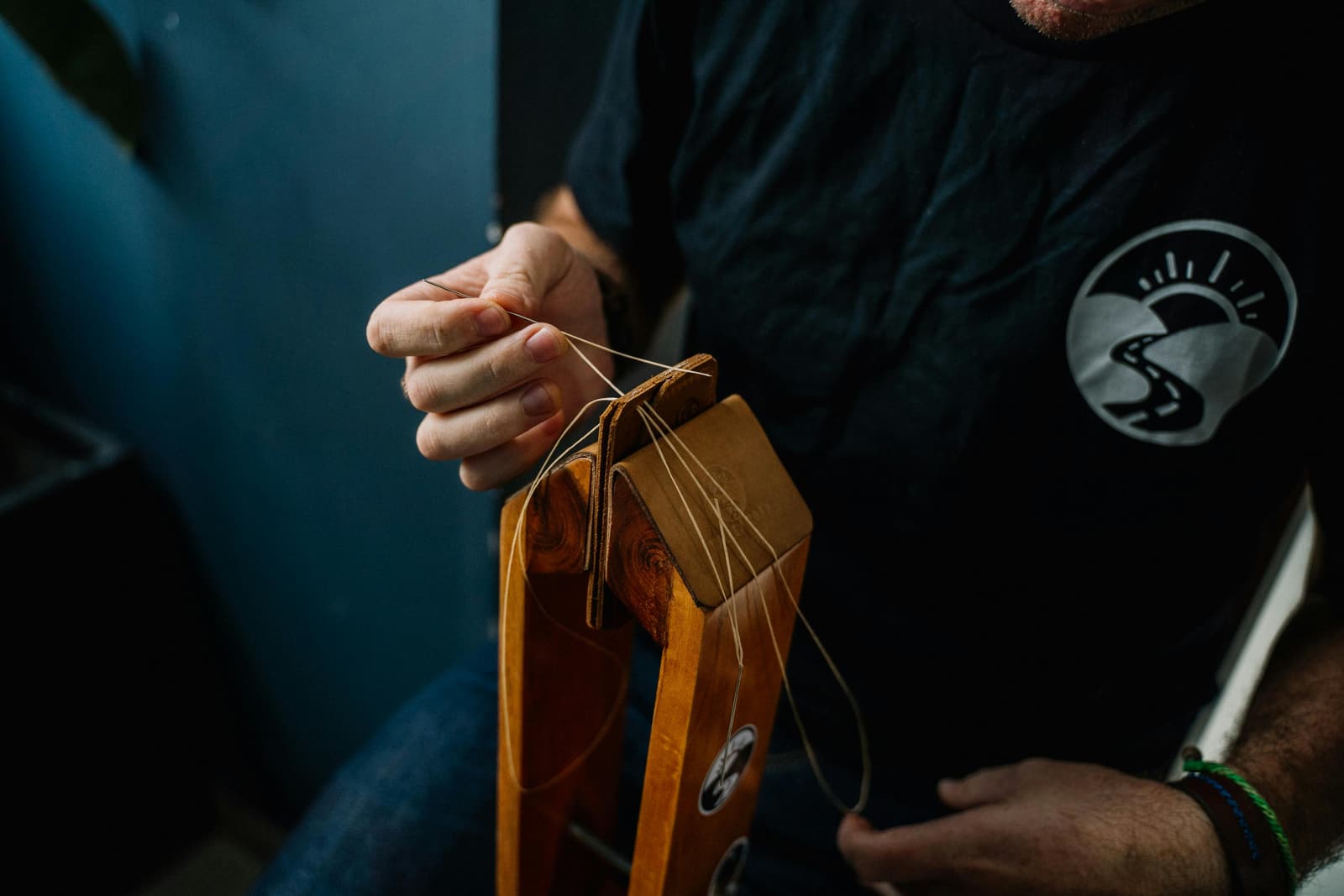
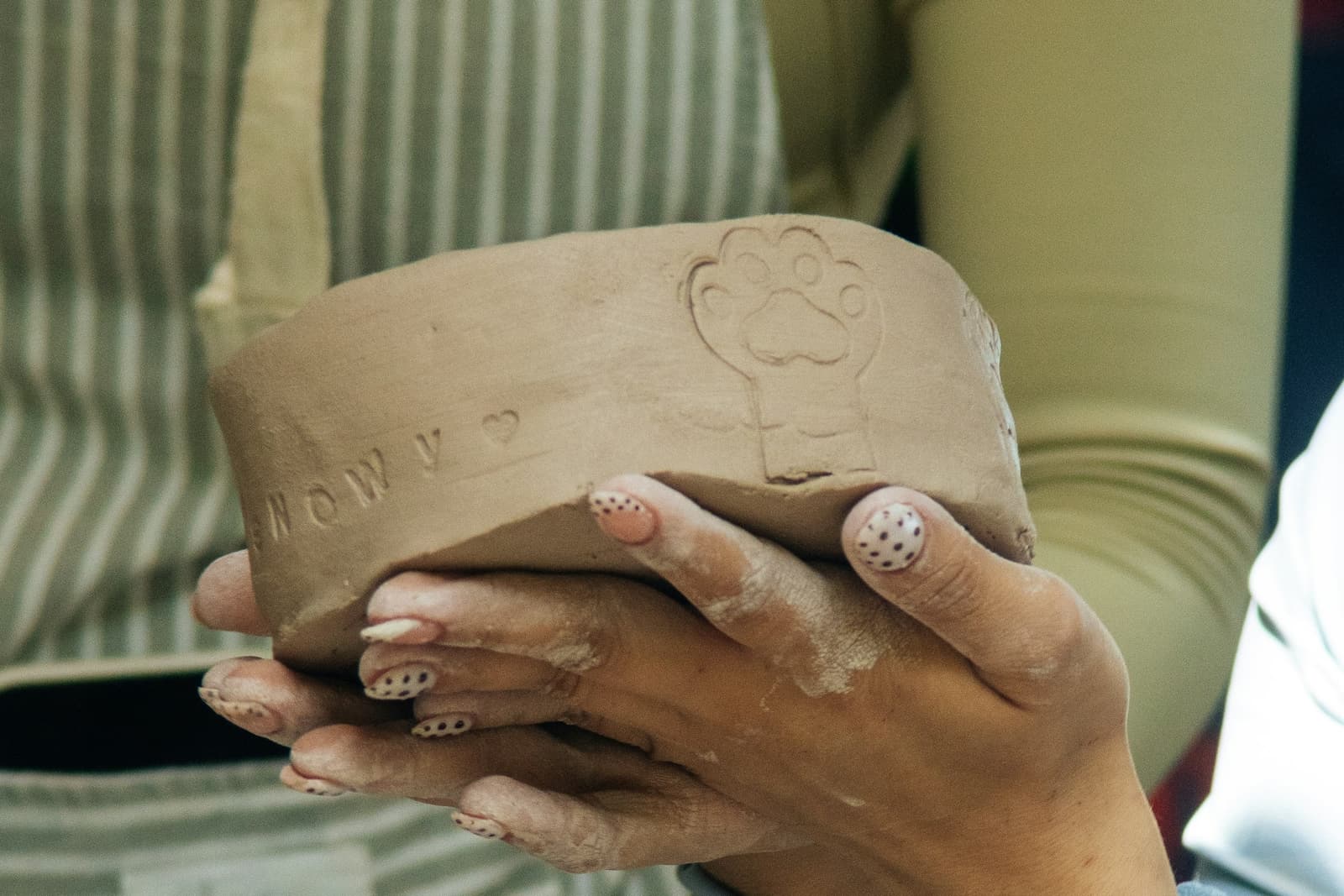
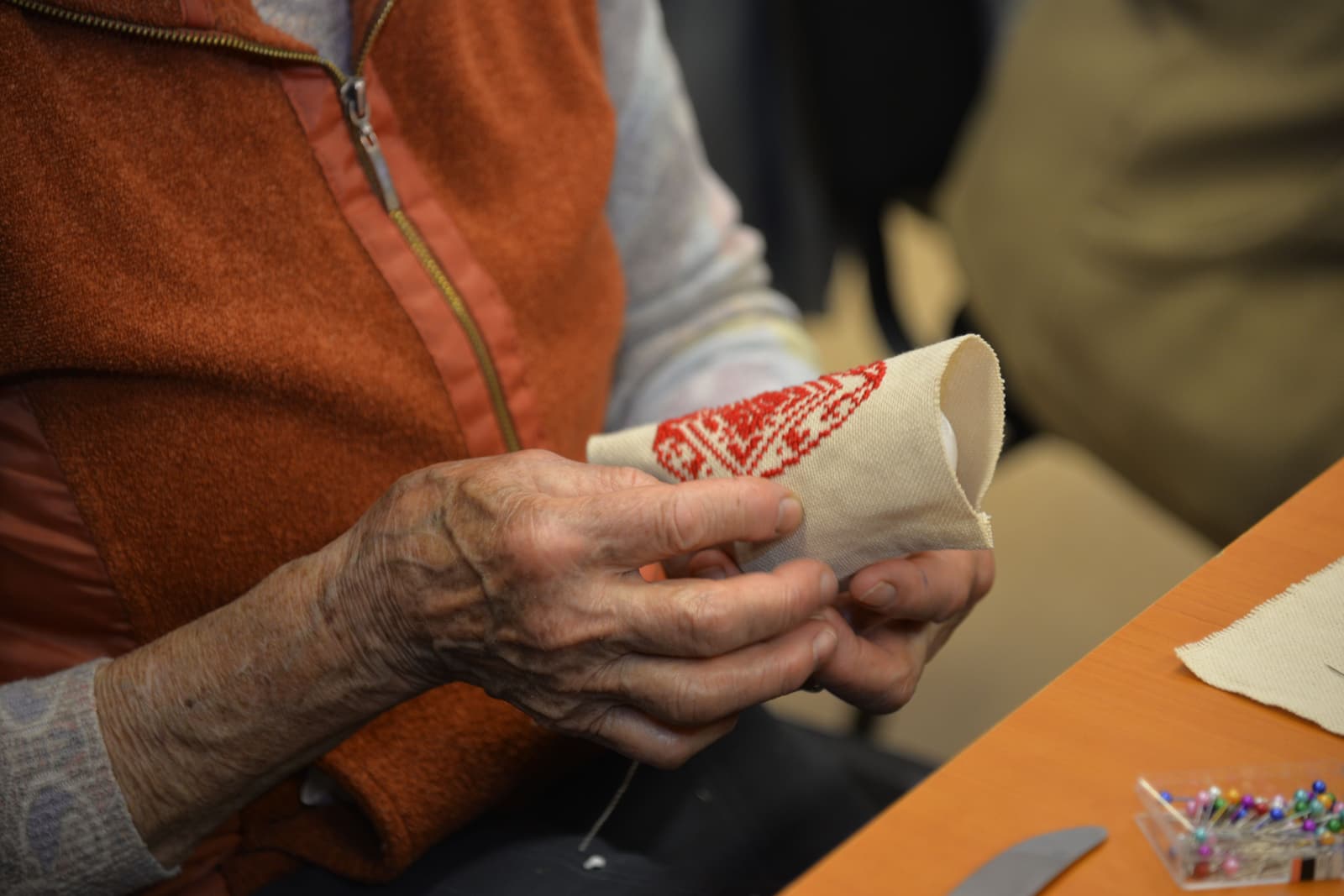
How they make it. Every listing must include a process description. Whether they hand-spin the yarn, cast the resin, throw the clay, or cut and sew the fabric, we ask for at least a sentence of substance before it can go live. Makers can back that up with optional photos or a short video, which let shoppers see the skill and care behind a piece. Process media also helps a listing surface in search, and a process video adds structured data that can earn a richer result on Google.
What it’s made from. Makers can also list the materials behind a piece, for example merino wool or reclaimed oak. It isn’t mandatory, but it tells shoppers exactly what they’re buying and helps the listing get found, so most makers fill it in.
Both show up on the public listing page, in a section called "How it’s made," so shoppers can read them before they buy.
For someone who makes their own items, this is easy, and it gives them space to show shoppers the knowledge and skill behind their work. For a reseller passing off dropshipped or mass-produced goods, "how did you make this?" is a much harder question, and that filters out a lot on its own.
What happens when something looks wrong
Shoppers and makers who spot something that doesn’t add up can raise a concern on a listing page directly.
It isn’t only for "this doesn’t look handmade". They could also raise that a design or artwork appears copied, AI used without being disclosed, materials or sustainability claims that don’t ring true, or a process that’s been misrepresented. When someone submits a report, it creates a case that goes straight to our admin queue. We read every one.
A report triggers a review by a human. Not every report carries the same weight. For example a report from someone who actually bought the item, or repeat reports on the same listing, count for more. More on how that works below.
What we do behind the scenes
We’ve built a scoring system that helps the Luma Ops team identify patterns and prioritise.
Different types of concern carry different weights: a report from someone who actually bought and held the item counts for more than one from a passing browser, a price that’s implausible for handmade work, a shop where concerns start to cluster across several listings, a maker whose past listings we’ve had to act on before.
Two principles sit behind all of it. First, these signals only ever amplify a concern that already exists; they never manufacture one out of nothing. An honest maker priced fairly, with nothing else off, has nothing to worry about. Second, nothing here removes a listing automatically. The system points a person to where to look first. What happens next is always their call.
The same care goes the other way. A report can be a way to knock down a rival as easily as a way to flag a genuine problem, so who is reporting matters as much as what they say. Everyone is taken in good faith to begin with, but a reporter whose past flags haven’t held up counts for less over time. An honest maker can’t be buried by someone with a grudge.
We’ve also built it to forgive. A maker’s history fades over time, so someone who puts things right returns to a clean slate rather than carrying an old mistake forever.
We also check handmade listings ourselves
Shopper reports aren’t the only safeguard. We don’t wait for someone to flag a problem before we look.
Every day, our team works through a sample of live listings drawn at random. A reviewer opens each one and signs it off: either it’s consistent with a handmade item, or it isn’t. When a listing doesn’t pass, it enters exactly the same review process as a shopper report: a person examines it properly and decides what to do.
It means a listing can be checked even if no shopper ever reports it. A new maker who lists something that looks off won’t necessarily slip through just because they haven’t had an order yet. The random sample reaches listings that the reporting flow never would.
What we actually do when we review a case
Whether a listing was flagged by a shopper or picked up in one of our own checks, a person looks at it, not an algorithm.
We examine the listing photos, the process description, the materials listed, the maker’s shop history, and any other context that helps us understand whether this is a genuinely handmade item or whether it crosses a line we’ve set (like copyright infringement). We can also message the maker directly to ask for more information.
Depending on what we find, we can close the case with no action, issue a warning, suspend the listing while we investigate further or ask for updates, or remove it entirely. In serious cases, where a maker has been deliberately misrepresenting their goods, we can close the shop.
We don’t take those heavier actions lightly. Most cases are resolved through a conversation: a maker who didn’t describe their process clearly enough, or who used a photo that didn’t accurately represent the item. Sometimes it’s just a friendly nudge: "the lighting here makes this dress look white, but you’ve listed it as blue; might be worth retaking the photo." A quick fix, not a strike. Where we can, we’d rather correct and educate than remove.
Why we didn’t try to automate this
We looked at whether image recognition or AI-based detection could help flag non-handmade listings automatically. It can help at scale, and we may use it as a supplementary signal, but right now, the thing we care most about is getting the decisions right, and that requires a human.
Automated systems are better at catching obvious duplicates and mass-listing patterns than they are at understanding whether a particular piece of work was genuinely hand-thrown or factory-produced. We don’t want to remove a legitimate maker’s listing because a model couldn’t distinguish their work from something it had seen before.
What we have instead is a system where the community and the platform work together. Makers are required to be transparent about their process. Shoppers who spot something suspicious can surface it. A person reviews and makes a call.
It’s not perfect, but what we won’t do is let "handmade" drift into meaninglessness because holding the line was hard work.
What this means if you’re shopping on Luma
Every listing on Luma has been published by a maker who has described their process in their own words. Those descriptions are public and specific. We check a sample of live listings ourselves, every day. And if something doesn’t read as genuinely handmade to you, you can flag it and we’ll look into it properly.
This is the groundwork that makes Luma a verified handmade marketplace rather than just another site with "handmade" in the name. We’re not promising that every listing is perfect, or that nothing will ever slip through. We’re promising that we take it seriously, that there’s a real process behind it, and that a real person acts when something is wrong.
And if you’re a UK maker, this is the platform that values your work. When "handmade" actually means something, people are paying for your skill and your time. Anyone can borrow a label; no one can borrow those.
That’s the standard we’re holding ourselves to.
Tagged: handmade verification, verified handmade marketplace UK, authentic handmade, handmade trust, UK makers, luma market, handmade marketplace UK
Written by Laura, co-founder of Luma Market.
Get the next one by email
Occasional notes on what we’re building and what we’re learning. No more than once a fortnight.